Real or Fake? How Luxury Experts Spot the Difference
By Scarlett Stockwell
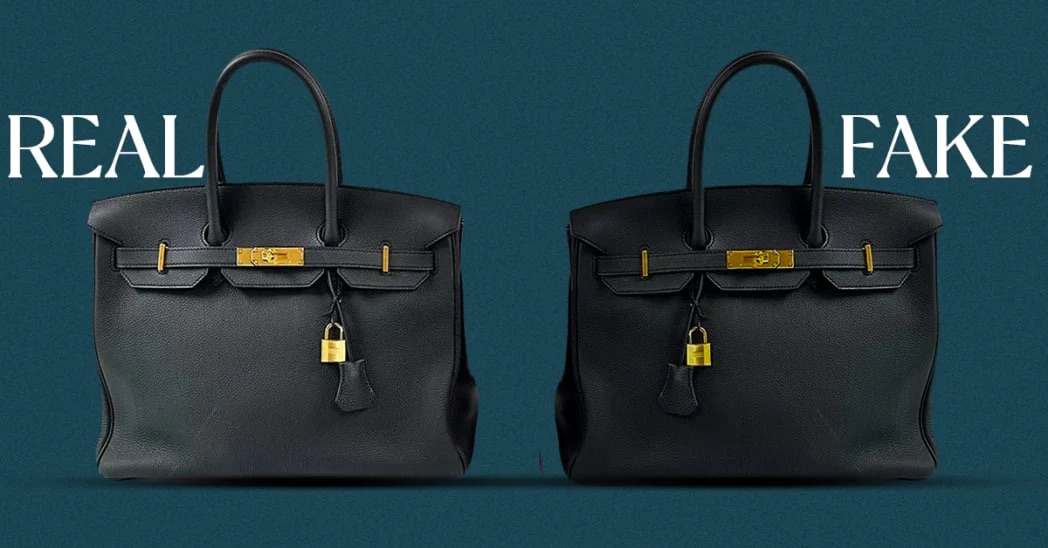
Luxury fashion is widely recognised for its craftsmanship, premium materials and timeless design, which is also why it is frequently targeted by counterfeit production. While some counterfeit items may appear convincing at first glance, authentication specialists emphasise that inconsistencies become visible when examined closely.
As counterfeit luxury goods become increasingly sophisticated, Luxity places massive focus on authentication and takes every possible measure to ensure pieces are authentic before they are approved for resale. At Luxity, each item undergoes a structured authentication process before being made available for sale.
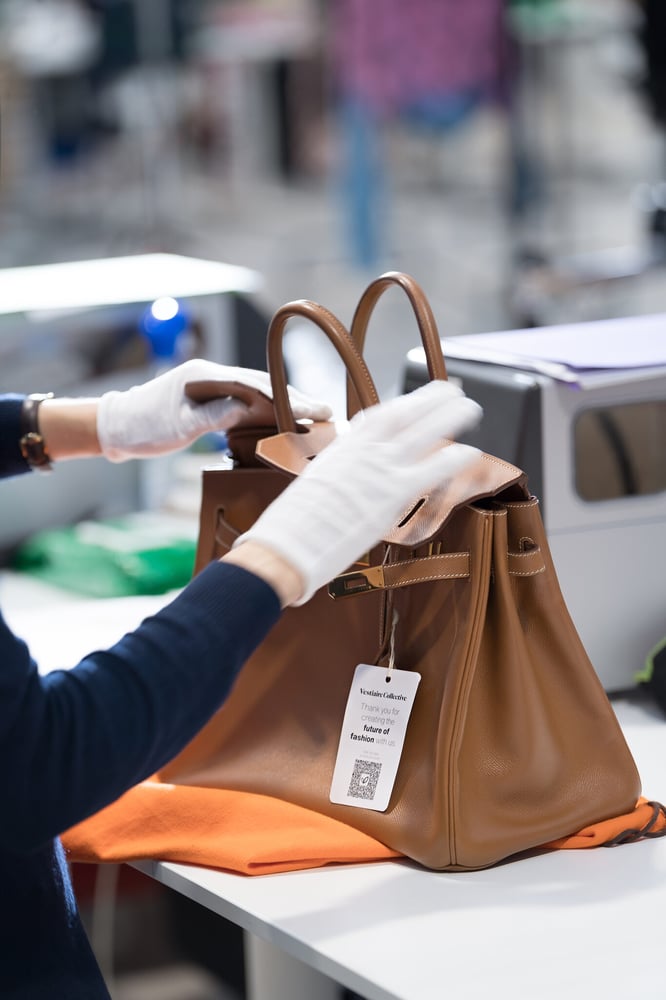
The initial assessment focuses on overall quality, including the feel and consistency of the leather, fabric or canvas. Authentic pieces are expected to maintain their intended structure, with craftsmanship and finishing that align with the standards of the respective luxury brand.
Stitching is one of the key indicators used during evaluation.
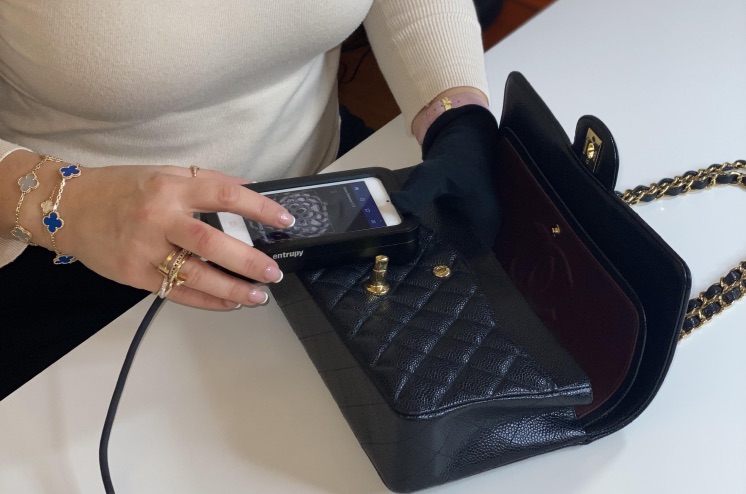
Luxury goods are typically constructed with high precision, meaning uneven seams, loose threads or irregular edges may indicate a counterfeit item. Hardware is also closely inspected. Authentic zips, clasps and chains are generally solid, well-finished and precisely engraved, and tend to age consistently over time. Counterfeit hardware, by contrast, may feel lighter, show early signs of fading or tarnishing, or display uneven discolouration.
An authentication specialist from Luxity further explained the role of packaging and accompanying items in the verification process. She noted that while some brands include authenticity cards, these cannot be relied on as definitive proof of authenticity.
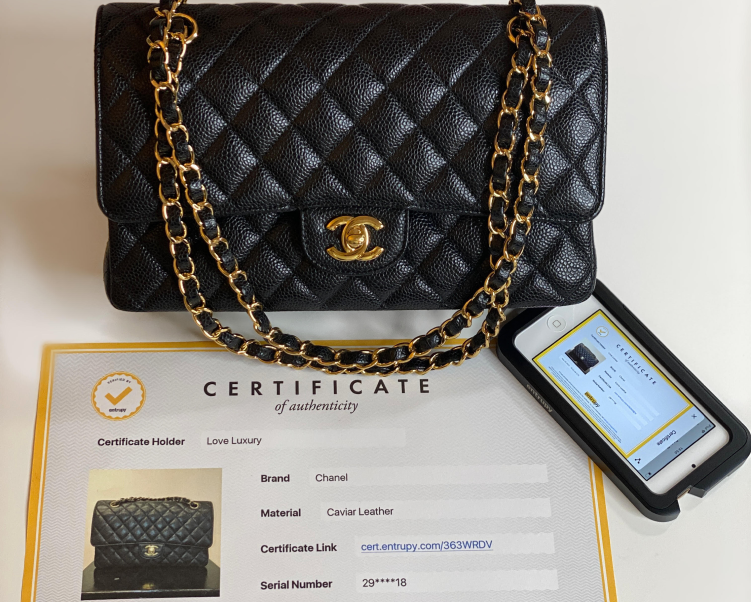
“Some brands, such as Prada, often include authenticity cards with their bags, while brands like Louis Vuitton may not rely on cards in the same way. However, cards, boxes and dust bags are never proof on their own. Some people may own counterfeit bags paired with genuine dust bags or original packaging.”
She added that counterfeit items can sometimes be sold alongside authentic packaging elements, which can create further confusion for buyers who rely on accessories alone as evidence of authenticity.
Overall, authentication relies on a combination of detailed physical inspection and brand-specific knowledge, with attention to elements such as logos, lining, texture and construction quality. This multi-step evaluation process is what allows luxury resale platforms like Luxity to verify authenticity with confidence.